WHOIS is a public database that lists who owns every domain on the internet — your name, email address, postal address, and phone number, all searchable by anyone with a web browser. WHOIS privacy is a service that hides those details by replacing them with the registrar's address. For individuals, it's essential. For businesses, it's strongly recommended.
What WHOIS actually is
WHOIS (pronounced "who-is") was created in the early 1980s as a directory of internet ownership. Type whois acme.com in any terminal, or use a web tool like whois.icann.org, and you get back records like:
Domain: acme.com
Registrar: REXO HOST
Created: 2026-05-07
Expires: 2027-05-07
Registrant Name: Sandeep Kumar
Registrant Email: sandeep@example.com
Registrant Phone: +91-99-1234-5678
Registrant Address: 42 Brigade Road, Bengaluru, Karnataka 560001
Originally this was useful — internet ownership was small, and direct contact between domain owners helped resolve issues. In 2026, it's mostly used for harvesting (spam, scams, marketing, harassment).
What gets exposed
For every domain you register, WHOIS publishes:
- Registrant name (the legal owner)
- Registrant email (used for ICANN notices, transfer requests, dispute notifications)
- Registrant phone (often used by sales spammers)
- Registrant address (your actual postal address)
- Admin contact (often same as registrant)
- Tech contact (often same as registrant)
- Registration date, expiry date, registrar, nameservers (less sensitive)
For a business with a registered office, this might be acceptable. For an individual registering a personal domain, you're publishing your home address to anyone in the world who looks.
What WHOIS privacy does
A privacy service replaces your contact details with the registrar's. The WHOIS lookup now shows:
Registrant Name: Privacy Protection Service
Registrant Email: privacy-yourname@rexohost.com
Registrant Phone: +91-99340-83852 (REXO HOST main support)
Registrant Address: REXO HOST, [registrar address]
The forwarding email (privacy-yourname@rexohost.com) is a unique alias — emails sent to it get forwarded to your real inbox. So:
- ✅ Legitimate notices (transfer requests, ICANN compliance) still reach you
- ✅ Spammers harvesting WHOIS get the registrar's address, not yours
- ✅ Trademark dispute notices reach you (forwarded)
- ✅ The general public can't find your home
Why it matters more than people think
Doxxing protection
For activists, journalists, public figures, and anyone with a controversial brand, WHOIS exposure is the easiest path to physical address discovery. Removing it removes one vector.
Spam reduction
WHOIS is heavily harvested by spam-bot operators. Within hours of registering a domain without privacy, you'll start receiving:
- Fake "domain expired, click to renew" emails (scams)
- "SEO services" from fly-by-night agencies
- "Domain leasing opportunities"
- Cold marketing for hosting / email / SSL upsells
WHOIS privacy cuts this by ~95%.
Identity theft protection
Your name + address + phone + email is all an attacker needs to start phishing your bank, your phone carrier, or your ISP. WHOIS exposure is structurally a small leak; cumulatively (with other public data) it can lead to identity theft.
Personal/business separation
If you register a domain for a side project under your own name, WHOIS publishes that link. With privacy on, the domain isn't visible as "yours" to anyone searching for your name.
The legal status
WHOIS privacy is legal everywhere. ICANN explicitly permits proxy/privacy services. Your registrar still knows who you are (they have your billing info); only the public WHOIS lookup is anonymized.
The only restrictions:
- .us domains — the US registry policy mandates public registrant info; full WHOIS privacy isn't available
- Some ccTLDs — vary by country
- GDPR redaction (EU registrants) — automatic since 2018; non-EU registrants need explicit privacy
When you might want privacy OFF
Rare but real cases:
- You want to be findable — building a personal brand where the domain IS your reputation
- Trademark protection — owning the WHOIS contact strengthens trademark claims in disputes
- Legal/compliance requirement — some industries (financial advisors, certain healthcare) require public business contact info
For ~95% of domain owners, WHOIS privacy is the default to enable.
Frequently asked questions
Will I miss important emails if WHOIS privacy is on?
No — the privacy service forwards email from the privacy address to your real inbox. You'll see emails labeled "Forwarded for: yourdomain.com". Transfer requests, abuse notices, ICANN compliance emails all reach you.
Does WHOIS privacy affect SEO?
No. Google has confirmed it doesn't use WHOIS data for ranking. The "anonymous registrant looks suspicious" theory has no evidence behind it.
Can law enforcement still find out who owns a domain?
Yes — registrars retain real registrant info and disclose it under valid legal process (court order, subpoena). Privacy hides you from the public; not from authorities.
What about historical WHOIS data?
Before you enabled privacy, your real info was published. Services like DomainTools archive historical WHOIS records, so historical exposure is permanent. Enable privacy from day one of registration; don't wait.
Is paid "premium privacy" worth it?
Almost never. Detailed comparison here. Standard free privacy at any honest registrar does the same job.
Privacy on by default
Search at REXO HOST — every domain we sell includes free WHOIS privacy, on by default, no checkbox required (except .us where the registry forbids it).
Keep reading
What is Domain Squatting? How to Protect Your Brand
The different types of squatting (cyber, typo, brand-jacking), real-world examples, and your legal options if it happens to you.
What is an SSL Certificate (And Do You Need One)?
Plain-English guide to HTTPS, SSL/TLS certificates, and why every site in 2026 needs one — usually for free.
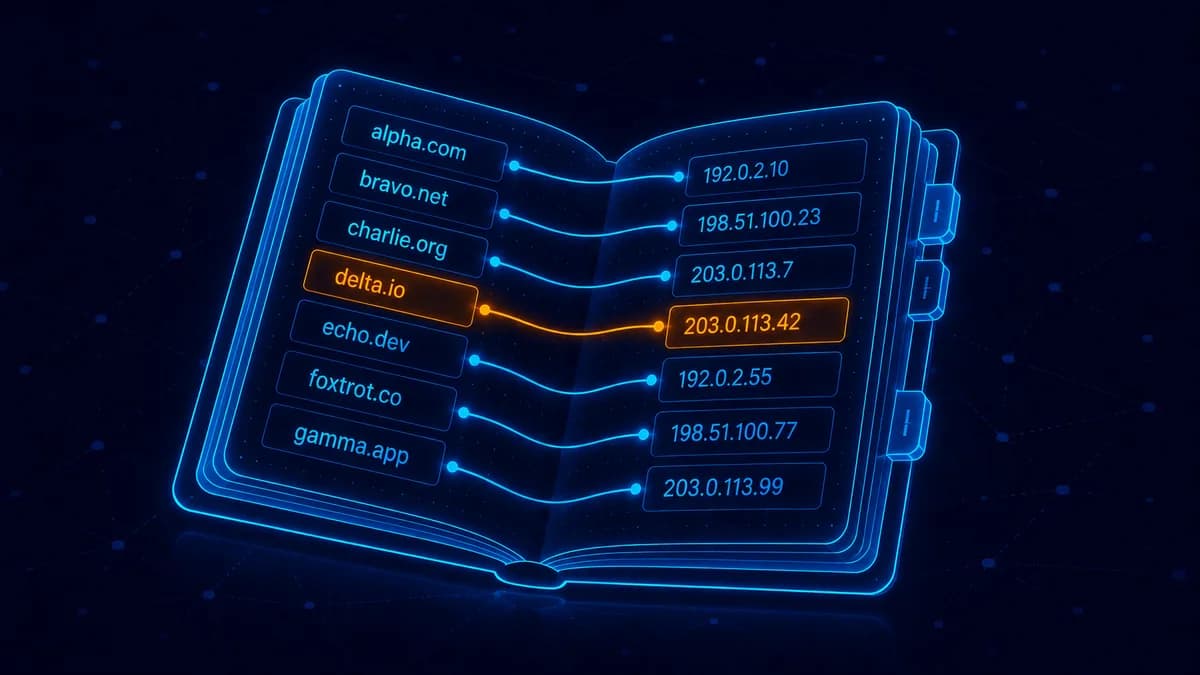
What is DNS? Explained for Non-Technical Founders
DNS is the address book of the internet. Plain-English guide to A records, MX records, nameservers, and what each one does.